



Gambling addiction recovery Steps to reclaim your life and freedom
Understanding Gambling Addiction
Gambling addiction, often referred to as compulsive gambling, is a behavioral disorder that can impact individuals and families significantly. It involves an uncontrollable urge to gamble, despite the adverse consequences it may bring. Understanding the emotional and psychological aspects of this addiction is crucial for recovery. Many individuals may feel a sense of euphoria while gambling, which can lead to a cycle of addiction that is hard to break. A great place to start researching solutions is the Piperspin official site, where various resources are available for beginners.


This addiction can manifest in various forms, including online gambling, casino games, and sports betting. Recognizing that gambling can alter brain chemistry and reinforce compulsive behaviors is an essential first step in recovery. Accepting that help is needed can be daunting, but acknowledging the problem is vital to reclaiming one’s life.
Seeking Help and Support
The journey to recovery often begins with seeking help. This can be through support groups, counseling, or professional treatment programs. Engaging with others who share similar experiences can provide much-needed emotional support. Groups like Gamblers Anonymous offer a safe space for individuals to share their stories and learn from one another.
In addition to group support, professional counseling can provide personalized strategies to manage cravings and triggers. Therapists trained in addiction can guide individuals through cognitive-behavioral therapy, helping them develop healthier coping mechanisms and ways to address underlying issues that may contribute to their gambling behavior.
Creating a Recovery Plan
A structured recovery plan is essential for success. This plan should include specific goals, identifying potential triggers, and strategies to avoid them. Recognizing the environments and situations that may lead to a relapse is crucial for maintaining sobriety. By setting achievable milestones, individuals can track their progress and stay motivated throughout their recovery journey.
Additionally, incorporating alternative activities that promote well-being is beneficial. Finding hobbies, engaging in sports, or volunteering can redirect focus from gambling to more fulfilling pursuits. Establishing a routine that includes these activities can significantly contribute to long-term recovery.
Managing Triggers and Cravings
Understanding and managing triggers is a key aspect of recovery. Triggers can vary from person to person and may include stress, boredom, or social pressures. Developing strategies to cope with these triggers can help individuals resist the urge to gamble. Techniques such as mindfulness, meditation, and deep-breathing exercises can reduce anxiety and promote emotional stability.
Additionally, it’s important to establish boundaries, such as avoiding places or situations where gambling is prevalent. By creating a supportive environment, individuals can enhance their chances of successful recovery. This may involve making changes in social circles or seeking out new friends who support a gambling-free lifestyle.

Discovering Responsible Gaming Options
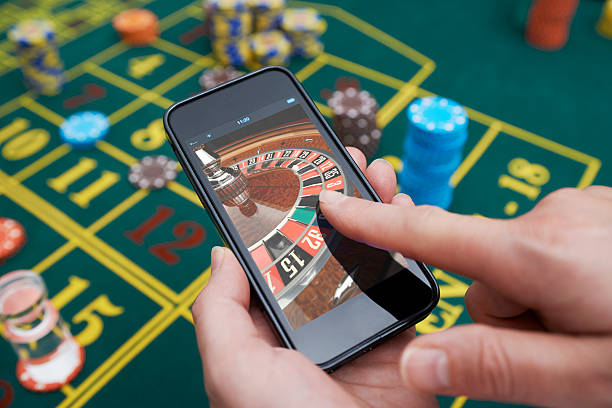
For those who have successfully navigated their recovery journey, the concept of responsible gaming may come into play. Understanding how to engage in gaming activities without falling back into old habits is crucial. Many online platforms offer responsible gaming features, such as self-exclusion options and limits on deposits and bets.
Websites dedicated to responsible gaming prioritize safety and fairness, providing resources for those at risk of gambling addiction. Educating oneself about safe gaming practices can help individuals enjoy gaming as a form of entertainment without the associated risks. Adopting a mindful approach can aid in maintaining the balance between leisure and responsibility.

